
I’ve been a NICEIC-registered electrician working across Essex for over ten years, and performing EICR Southend inspections has given me a very hands-on understanding of how homes and rental properties age electrically. Southend is a mix of older terraces, post-war semis, and newer estates, and each type comes with its own quirks. Over the years, I’ve learned that an inspection is far more than a paperwork exercise—it’s about identifying real-world risks and making properties safer for the people living or working in them.
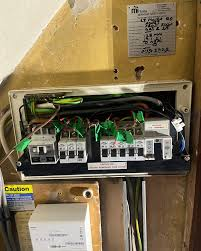
One case that sticks with me involved a Victorian terrace where the homeowner had updated parts of the wiring but hadn’t carried out a full rewire. When I tested the circuits, several upstairs sockets were still on old cabling, and a spur had been added incorrectly from a downstairs ring main. On the surface, the property looked modern, but the inspection revealed potential hazards that the owner hadn’t even considered. They were grateful to have the issues addressed before anything more serious occurred.
Rental properties in Southend also present interesting challenges. A landlord I worked with last spring assumed an inspection would be routine, but I discovered that several sockets were loose, the kitchen circuits lacked proper RCD protection, and some wiring was nearing the end of its useful life. Acting promptly prevented possible electrical faults that could have affected tenants and led to costly damage. This scenario is far from uncommon in the area—properties with high turnover or DIY interventions often carry hidden risks that only a thorough EICR will reveal.
Another situation involved a converted garage being used as a home office. It was powered off a spur from an indoor socket and functioned fine for light use, but heavier equipment caused the circuit to trip repeatedly. I recommended a dedicated circuit with appropriate protection, which solved the problem safely. I see this pattern often: homeowners adapting spaces without understanding the demands they place on their electrics.
Experience in Southend has taught me that qualifications and registrations are the baseline. The real difference comes from familiarity with local building types and common issues. Older homes frequently have mixed wiring from different periods, while newer builds can hide overloaded circuits beneath neat finishes. Recognising these patterns allows me to provide practical, actionable advice, not just a list of codes and readings.
An EICR isn’t about catching people out—it’s about understanding how a property is actually used and making sure the electrics can keep up safely. In my experience, Southend homeowners and landlords benefit most when inspections are taken seriously, issues are addressed promptly, and advice is grounded in real-world usage rather than theoretical standards.