
As the temperature rises, having a reliable upgrade my air conditioner becomes essential for comfort and well-being. However, if your current AC system is outdated, inefficient, or constantly breaking down, it might be time to consider upgrading. Upgrading your air conditioner not only enhances your home’s cooling efficiency but also saves you money in the long run and contributes to a greener environment. In this article, we’ll explore the benefits of upgrading your AC, signs that indicate it’s time for a replacement, and tips to help you choose the best system for your needs.
Why Upgrade Your Air Conditioner?
Modern air conditioning technology has evolved significantly over the past decade. Newer models are designed to be more energy-efficient, quieter, and equipped with advanced features that improve indoor air quality and comfort. Upgrading your air conditioner can bring several benefits:
- Energy Efficiency and Lower Bills: Older AC units often consume more electricity due to outdated components and wear and tear. Newer units, especially those with ENERGY STAR ratings, use less energy, reducing your monthly utility bills significantly.
- Improved Cooling Performance: A new system can cool your home more quickly and maintain a consistent temperature, avoiding hot spots and fluctuations.
- Enhanced Air Quality: Modern air conditioners come with improved filters and air purification options, helping reduce allergens, dust, and pollutants.
- Reduced Environmental Impact: By upgrading to an energy-efficient unit, you reduce your carbon footprint, helping the environment.
- Quiet Operation: Newer models operate more quietly, making your living space more peaceful.
- Reliability and Warranty: Upgrading eliminates frequent repairs and maintenance hassles, often backed by better warranties and service plans.
Signs It’s Time to Upgrade Your AC
Deciding to upgrade your air conditioner isn’t always obvious. Here are some common signs that suggest it’s time to consider a replacement:
- Age of the Unit: Most air conditioners last between 10 to 15 years. If your system is older than that, it’s likely less efficient and more prone to breakdowns.
- Rising Energy Bills: If your electricity bills have been steadily increasing without a change in usage habits, your AC might be working harder than it should.
- Frequent Repairs: Constant repairs can add up in cost and inconvenience. If your AC requires frequent servicing, a new unit may be more cost-effective.
- Uneven Cooling: Struggling to keep your home evenly cooled or noticing rooms that are too hot or too cold can indicate an inefficient or failing system.
- Excessive Noise: Loud or unusual noises coming from your AC unit can signal mechanical problems or outdated components.
- Poor Air Quality: If you notice more dust, allergens, or humidity issues inside your home, your air conditioner may not be functioning optimally.
Choosing the Right Air Conditioner for Your Home
Upgrading your air conditioner requires careful consideration to ensure you select the best system for your home’s size, climate, and budget. Here are some factors to consider:
- System Type: The most common types of air conditioners include central air systems, ductless mini-splits, window units, and portable units. Central air conditioning is ideal for whole-home cooling, while ductless mini-splits offer flexibility for individual rooms or additions without ductwork.
- Cooling Capacity: Measured in BTUs (British Thermal Units), your AC’s capacity should match your home’s square footage. An undersized unit won’t cool effectively, while an oversized unit will cycle on and off too frequently, wasting energy.
- Energy Efficiency Ratings: Look for units with a high SEER (Seasonal Energy Efficiency Ratio) rating. ENERGY STAR-certified models typically offer the best efficiency and savings.
- Smart Features: Many modern units come with smart thermostats, programmable settings, and remote control via smartphone apps, giving you more control over your cooling and energy use.
- Installation Quality: Proper installation is crucial for optimal performance. Hire a reputable HVAC professional who can assess your home’s needs and ensure the unit is correctly installed.
The Upgrade Process: What to Expect
Upgrading your air conditioner usually involves several steps, starting with an assessment by a qualified HVAC technician. They will evaluate your current system, inspect your home’s cooling needs, and recommend suitable replacements. Here’s a typical process:
- Home Evaluation: The technician measures your home, checks insulation, windows, and existing ductwork.
- System Recommendation: Based on your home’s size, climate, and preferences, they suggest appropriate models.
- Quote and Financing: You receive a detailed quote including equipment, installation, and any necessary modifications.
- Scheduling Installation: Installation usually takes a day or two, depending on complexity.
- Removal and Disposal: Your old unit is removed and disposed of responsibly.
- Installation of New Unit: The new system is installed, tested, and calibrated.
- User Orientation: The technician explains how to operate and maintain your new system.
Maximizing Your Investment
After upgrading your air conditioner, you can maximize your investment by following a few simple tips:
- Regular Maintenance: Schedule annual professional tune-ups to keep your system running efficiently.
- Change Filters Frequently: Clean or replace filters every 1-3 months to maintain airflow and air quality.
- Use a Programmable Thermostat: Set temperatures to adjust automatically when you’re away or asleep.
- Seal and Insulate: Ensure your home is properly insulated and sealed to prevent cool air from escaping.
- Shade Your Outdoor Unit: Plant shrubs or install shading structures to keep the outdoor unit cool and efficient.
Final Thoughts
Upgrading your air conditioner is a smart investment that pays off in comfort, energy savings, and peace of mind. Whether your current system is showing signs of age or you’re simply looking for better efficiency, today’s advanced AC units offer a range of options to suit every home and budget. By understanding when to upgrade, how to choose the right system, and what to expect during installation, you can make an informed decision that keeps your home cool and comfortable for years to come.
Ready to take the plunge? Contact a trusted HVAC professional today to explore your options and start enjoying the benefits of a modern air conditioning upgrade.
I have cleaned drains along the Front Range for years, mostly in older ranch homes, split-level houses, small restaurants, and townhomes around Westminster. I work out of a two-truck plumbing shop, so I still handle plenty of calls myself instead of just sending a crew. Drain cleaning sounds simple until a kitchen line backs up twice in 10 days or a basement floor drain starts smelling after a hard spring rain. That is where experience starts to matter.
The Westminster Drain Problems I See Most Often
Westminster has a mix of old clay lines, newer PVC, and plenty of remodel work that was done in stages. I have opened cleanouts in homes from the 1960s where the main line had roots at almost every joint. I have also worked in newer builds where the real issue was a belly in the line caused by settling soil. The age of the house gives clues, but it never tells the whole story.
Kitchen drains are the repeat offenders in many homes I visit. Grease cools fast in Colorado winter weather, and a long horizontal run under a slab can turn into a sticky trap after several years. I once helped a customer last spring who had used boiling water and store-bought chemicals for months before calling. By the time I cabled the line, the buildup came out in thick black curls that told me the drain had been closing in slowly for a long time.
Bathroom lines give different warnings. A tub that gurgles when the toilet flushes is not the same problem as one slow sink upstairs. I pay close attention to which fixture reacts first because that usually tells me where the blockage sits. That noise matters.
How I Tell a Simple Clog from a Bigger Line Issue
The first few minutes on a job are usually quiet because I am listening more than talking. I run water in one fixture, then another, and I watch how the drain responds under steady flow. A line that clears for 20 seconds and then rises again often has a deeper restriction. A fixture that never moves much water may be blocked right at the trap or branch line.
I also ask what has changed in the house. A new garbage disposal, a basement finish, a laundry move, or a bathroom remodel can shift how the plumbing gets used. One resource a homeowner mentioned during that season was drain cleaning pros in Westminster CO, and the phrase stuck with me because it matched what people kept asking for: someone nearby who could show up with real equipment. The best drain cleaning work starts with that local context, not just a machine and a guess.
I use a hand auger, a sectional cable machine, or a larger drum machine depending on the line. I do not like forcing a big cutter through a small, fragile drain just to look impressive. On older galvanized lines, too much pressure can create a new problem while solving the old one. Slow is faster sometimes.
Camera inspections help, but I do not push them on every single call. If I clear a simple bathroom sink full of hair and the line drains clean after testing, a camera may not add much value. If a main line backs up twice in one month, I want to see inside before anyone spends several thousand dollars on guesses. That is where the camera earns its keep.
Why Cheap Drain Cleaning Can Cost More Later
I understand why people ask for the lowest price. A backed-up drain is an ugly surprise, and nobody wakes up hoping to spend money on a sewer cable. Still, I have walked into many jobs where the cheapest visit only punched a small hole through the clog. The water drained for a week, then the same line failed again during a shower or laundry load.
A proper cleaning should restore the pipe’s usable opening, not just make the water disappear for the moment. On a main line, that can mean running the cable all the way to the city tap or at least far enough to prove the restriction is gone. In a kitchen line, it may mean working the cable slowly through grease instead of racing to the first sign of drainage. The difference shows up after 30 minutes of testing.
I also pay attention to access. Some homes have cleanouts in good spots, while others force you to work through a roof vent or pull a toilet. I would rather explain the access problem honestly than pretend every job should cost the same. A cleanout outside the foundation can save time, mess, and stress for everyone.
What Homeowners Can Do Before Calling
I do not expect homeowners to diagnose their own plumbing. Still, a few details help me walk in ready. Tell me which fixtures are slow, whether the issue is upstairs or downstairs, and whether any water has come up through a floor drain. If you know where the cleanout is, clear a path to it before the service truck arrives.
Skip the harsh drain chemicals if the line is fully blocked. I have opened traps with standing chemical water inside, and that creates a safety problem before the real plumbing work even begins. Those products can also sit against older metal piping longer than the label assumes. I would rather deal with dirty water than caustic water.
Hot water and a plunger can help with a minor sink slowdown, especially if the problem is close to the fixture. They will not remove roots from a sewer main or fix a sagging pipe. Roots do not wait. If the same clog returns after normal use, the drain is telling you something bigger than “try again.”
What I Look for After the Line Clears
The job is not finished the second the water drops. I run fixtures for several minutes and watch the flow under a real load. On kitchen lines, I fill the sink and release it to see whether the pipe handles volume, not just a trickle. On main lines, I may flush toilets and run a tub at the same time to stress the system.
I also look at what comes back on the cable. Roots, grease, wipes, mud, and scale all point to different next steps. If I pull back fine roots with black sludge, I start thinking about pipe joints and possible low spots. If the cable comes back with wipes wrapped tight around the head, the conversation is more about habits than excavation.
Some advice is simple and boring, which is often the best kind. Do not rinse pan grease down the sink. Keep wipes out of toilets even when the package says they flush. Have a main line checked sooner if you have large trees near the sewer path and the house has had more than one backup.
Choosing a Drain Pro Without Getting Sold Too Hard
A good drain cleaner should be able to explain what they are doing in plain words. I get suspicious of anyone who walks in and talks about replacement before running water, checking access, or trying the correct tool. Some lines do need repair, and I have told plenty of homeowners that cleaning alone will not solve a collapsed pipe. The order matters, though.
Ask what equipment will be used and what the visit includes. A small sink machine is not the same as a main line cable, and a quick clearing is not the same as a full cleaning with testing afterward. You do not need a lecture, but you deserve a clear answer. I try to leave homeowners with at least one practical detail they can use the next time the drain acts strange.
Local experience counts in Westminster because soil, trees, housing age, and past remodel choices all show up in drain work. I have seen two houses on the same block behave completely differently because one had an old clay service line and the other had a replacement done years earlier. That is why I avoid giving hard promises over the phone. A fair range is honest; a magic number is usually bait.
If I could give one practical recommendation, it would be to treat recurring drain trouble as a pattern instead of a random mess. One clog can happen in any house, but the same drain failing again deserves closer attention. I would rather clean a line properly, test it under load, and tell a homeowner what I actually saw than leave them guessing until the next backup. That approach has saved my customers more stress than any quick fix I know.
As a home performance specialist with more than ten years of hands-on experience in attics, garage ceilings, and problem houses across North Texas, I’ve learned that insulation work separates itself pretty quickly. You can usually tell within one season whether a contractor solved the problem or just covered it up. That is why, when homeowners ask me where to begin their search, I tell them to look closely at experienced companies like https://insulationcommandos.com/denton-tarrant/ and pay attention to how they approach comfort issues, not just how fast they can quote a job.
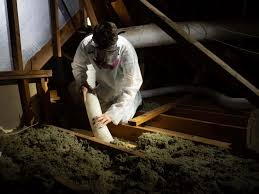
In my experience, homeowners rarely call because they are excited about insulation itself. They call because something in the house feels off. A bedroom is always warmer than the rest of the home. The game room over the garage turns stuffy by late afternoon. The HVAC keeps running, but the house still never feels settled. In Denton, that pattern is common, especially in homes that take a beating from long stretches of heat and attic temperatures that can make even decent systems struggle.
One customer I worked with last summer was convinced the upstairs air conditioner was failing. She had already paid for service calls and was preparing herself for a major replacement. But once I got into the attic, I found the bigger issue almost immediately. The insulation coverage was uneven, there were open gaps around penetrations, and some sections had clearly been disturbed by previous work and never corrected. The AC system was doing what it could, but the house was not giving it much of a chance. After the insulation issues were addressed properly, she told me the second floor finally stopped feeling like a different climate.
That kind of job is exactly why I put so much value on expertise. An inexperienced crew may show up, add insulation, and leave behind a space that looks fuller but still performs poorly. Expert insulation contractors know that comfort problems usually come from more than one weak point. They look at airflow, coverage, transitions, and the hidden trouble spots near eaves, attic hatches, and framing breaks. Those details matter more than homeowners realize.
I remember another house where the room above the garage had basically become a seasonal room. The family avoided it during the hottest part of the year because it never seemed to cool down. They had tried closing blinds, running fans, and adjusting vents, but none of it changed much. When I inspected the area, I found insulation gaps in awkward framing sections that had probably been there since the original build. It was not a flashy problem, but it was a costly one in terms of comfort. Once those areas were corrected, the room started behaving like part of the house again.
I’ve also seen homeowners spend several thousand dollars chasing the wrong fix. One family had put money into HVAC work because their bills kept rising and the house still felt uneven. What they really had was a building envelope problem. Their attic insulation had settled badly, and air leakage was undermining every bit of conditioned air they paid for. I’m not against equipment upgrades when they’re justified, but I strongly advise homeowners to have the insulation and air leakage evaluated before assuming the mechanical system is the main culprit.
The common mistake I see in Denton is hiring based only on price. I understand the temptation, but cheap insulation work often turns into expensive frustration. A low number on paper can leave out the careful inspection, prep work, and problem-solving that make the difference between temporary improvement and a lasting result.
After years in this trade, I have a strong opinion about expert insulation contractors: they do more than install material. They diagnose why a home feels uncomfortable, explain the issue clearly, and fix the parts of the house that are actually causing the trouble. In Denton homes, where heat exposes every shortcut, that level of experience is not a luxury. It is what makes the work worth doing in the first place.
I’ve been a NICEIC-registered electrician working across Essex for over ten years, and performing EICR Southend inspections has given me a very hands-on understanding of how homes and rental properties age electrically. Southend is a mix of older terraces, post-war semis, and newer estates, and each type comes with its own quirks. Over the years, I’ve learned that an inspection is far more than a paperwork exercise—it’s about identifying real-world risks and making properties safer for the people living or working in them.
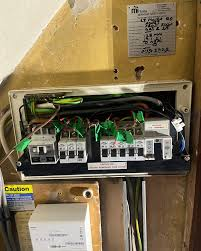
One case that sticks with me involved a Victorian terrace where the homeowner had updated parts of the wiring but hadn’t carried out a full rewire. When I tested the circuits, several upstairs sockets were still on old cabling, and a spur had been added incorrectly from a downstairs ring main. On the surface, the property looked modern, but the inspection revealed potential hazards that the owner hadn’t even considered. They were grateful to have the issues addressed before anything more serious occurred.
Rental properties in Southend also present interesting challenges. A landlord I worked with last spring assumed an inspection would be routine, but I discovered that several sockets were loose, the kitchen circuits lacked proper RCD protection, and some wiring was nearing the end of its useful life. Acting promptly prevented possible electrical faults that could have affected tenants and led to costly damage. This scenario is far from uncommon in the area—properties with high turnover or DIY interventions often carry hidden risks that only a thorough EICR will reveal.
Another situation involved a converted garage being used as a home office. It was powered off a spur from an indoor socket and functioned fine for light use, but heavier equipment caused the circuit to trip repeatedly. I recommended a dedicated circuit with appropriate protection, which solved the problem safely. I see this pattern often: homeowners adapting spaces without understanding the demands they place on their electrics.
Experience in Southend has taught me that qualifications and registrations are the baseline. The real difference comes from familiarity with local building types and common issues. Older homes frequently have mixed wiring from different periods, while newer builds can hide overloaded circuits beneath neat finishes. Recognising these patterns allows me to provide practical, actionable advice, not just a list of codes and readings.
An EICR isn’t about catching people out—it’s about understanding how a property is actually used and making sure the electrics can keep up safely. In my experience, Southend homeowners and landlords benefit most when inspections are taken seriously, issues are addressed promptly, and advice is grounded in real-world usage rather than theoretical standards.
The desire to maximize outdoor living space is a universal aspiration for homeowners, and nowhere is this more true than in the scenic, often sloped terrain of Western Pennsylvania. For residents looking to extend their home's footprint into the backyard, finding the right specialized builder is key. Choosing experienced deck contractors in Pittsburgh, PA ensures that your new structure not only looks beautiful but is also engineered to withstand the region's unique climate, from snowy winters to humid summers. These professionals understand the local building codes and the distinct challenges presented by the city's topography, helping to navigate the process from initial design concepts to the final permitting and construction walkthrough.
Understanding Pittsburgh's Unique Deck Building Challenges
Building in Pittsburgh, with its mix of rolling hills and dense urban areas, often presents challenges that a general contractor may not be prepared for. Many homes feature sloped backyards, necessitating specialized construction techniques like multi-level or floating decks to properly follow the natural grade of the land. Experienced deck contractors in Pittsburgh, PA will offer solutions like retaining walls or tiered designs to create a stable, usable platform where a simple, flat deck would be impossible. They are experts in ensuring proper drainage and load-bearing stability, taking into account the heavy snow loads that characterize Western Pennsylvania winters. The permitting process, including compliance with zoning and building codes, is also a critical part of their service, relieving the homeowner of complex bureaucratic tasks.
Material Selection: Wood vs. Composite in the Pittsburgh Climate
One of the most crucial decisions a homeowner faces is the choice of decking material, a selection significantly influenced by the local weather patterns. Traditional pressure-treated wood remains a popular, cost-effective option, and many skilled deck contractors in Pittsburgh, PA are adept at working with materials like cedar or redwood. However, the wet and freeze-thaw cycles of the region often push homeowners toward low-maintenance alternatives. Composite and PVC decking, from brands like Trex or TimberTech, have become increasingly common. While the initial investment is higher, these synthetic materials resist rot, warping, and fading, offering a lifespan of 25 to 50 years with minimal upkeep, making them an excellent long-term investment for the Pittsburgh climate.
Services Offered by Local Decking Specialists
The scope of work provided by dedicated deck contractors in Pittsburgh, PA extends far beyond mere construction of a square platform. These specialists offer comprehensive services designed to create a fully integrated outdoor living space. This includes custom design consultation, where architects and designers work to craft a space that complements your home's architecture and your family's lifestyle. Services often include deck resurfacing for homeowners whose existing deck frames are sound but whose surfaces are deteriorating. Furthermore, modern projects frequently incorporate features such as integrated LED lighting for safety and ambiance, custom-built seating, pergolas or deck coverings for weather protection, and even outdoor kitchen areas, transforming a simple deck into a true outdoor room.
The Importance of Licensing, Insurance, and Certification
When selecting a partner for a significant home improvement project, due diligence is essential. Reputable deck contractors in Pittsburgh, PA will be fully licensed, bonded, and insured, providing peace of mind and protection against liability. Asking for proof of liability insurance and worker's compensation is a non-negotiable step in the hiring process. Beyond basic requirements, look for contractors who hold certifications from industry groups like the North American Deck and Railing Association (NADRA) or who have attained 'Elite Pro' or 'Gold Builder' status with major material manufacturers. These certifications indicate a commitment to the highest standards of safety, quality, and material-specific installation expertise, ensuring your investment is handled by seasoned professionals.
Navigating the Consultation and Quoting Process
The journey to your new deck begins with a detailed consultation, and finding the right fit among deck contractors in Pittsburgh, PA requires thorough comparison. A good contractor will perform a detailed on-site visit to measure the property, assess the terrain, and listen closely to your design vision and budget. They should provide a clear, line-item proposal that details material costs, labor fees, and any allowances for permits or site preparation. Be wary of quotes that seem significantly lower than the average, as this may indicate cut corners on materials or a lack of proper insurance. A transparent quoting process and a contractor who provides references and a solid workmanship warranty are strong indicators of a reliable and quality-focused business.
The Long-Term Value of Hiring Local Expertise
Investing in a quality deck built by seasoned deck contractors in Pittsburgh, PA is not just about immediate enjoyment; it's also a smart financial decision. A well-designed and constructed deck consistently offers one of the highest returns on investment among home improvement projects, significantly boosting your home's curb appeal and market value. Local experts understand which materials and designs perform best over time in this specific climate, maximizing the lifespan and minimizing future maintenance costs. By choosing a contractor with a proven local track record, you are partnering with a business that is invested in the community and committed to upholding a reputation for durable, beautiful outdoor structures.
Conclusion and Next Steps
The thriving local market for outdoor spaces means homeowners have access to top-tier deck contractors in Pittsburgh, PA ready to tackle any project, from a simple, safe replacement to a complex, multi-tiered outdoor oasis. By focusing on contractors with verifiable experience in the region's challenging landscape, prioritizing durable and low-maintenance materials like high-performance composite, and confirming all licensing and insurance credentials, you can ensure a smooth, rewarding construction experience. A new deck is a gateway to years of enjoyment, turning your backyard into the ultimate gathering place for family and friends.
Tuckpointing is an essential maintenance and restoration process for masonry structures, and in St. Louis, homeowners and businesses alike rely on expert services to preserve the beauty and durability of their buildings. When it comes to 5-star tuckpointing in St. Louis, quality workmanship and attention to detail are crucial. This article explores why tuckpointing matters, what sets 5-star tuckpointing services apart, and how you can benefit from expert masonry care in the St. Louis area.
Tuckpointing involves repairing the mortar joints between bricks or stones in a masonry wall. Over time, weather, pollution, and natural wear cause mortar to deteriorate, leaving your structure vulnerable to water infiltration and damage. With 5-star tuckpointing in St. Louis, technicians carefully remove damaged mortar and replace it with new, matching mortar that enhances both the structural integrity and aesthetic appeal of your property. Proper tuckpointing can extend the life of brickwork by decades, making it a smart investment for any property owner.
One of the reasons 5-star tuckpointing in St. Louis is highly regarded is the use of precise techniques and materials tailored to the region’s climate and building styles. The right mortar mix must match the original in composition, color, and texture to maintain the historical character of older buildings common in St. Louis neighborhoods. Experts providing 5-star tuckpointing in St. Louis understand the importance of these details and use their knowledge to ensure repairs blend seamlessly with existing masonry. This careful approach preserves the authenticity and charm that makes St. Louis architecture so distinctive.
Beyond aesthetics, 5-star tuckpointing in St. Louis offers practical benefits that protect your property from costly damage. Crumbling mortar allows moisture to seep into walls, which can cause mold, wood rot, and deterioration of the bricks themselves. With timely tuckpointing services, St. Louis property owners can prevent these issues and maintain a safer, healthier environment. The high-quality workmanship associated with 5-star tuckpointing in St. Louis ensures long-lasting results that help safeguard your investment against the elements.
Choosing a company that provides 5-star tuckpointing in St. Louis means working with skilled professionals who bring years of experience and a strong reputation to every project. Many local companies specialize in historic preservation, residential repairs, and commercial masonry restoration. Their expertise in tuckpointing allows them to diagnose mortar problems accurately and recommend solutions that suit your specific building needs. Customer satisfaction is a top priority for these providers, which is why 5-star tuckpointing in St. Louis consistently receives positive reviews and referrals from homeowners and business clients.
The process of 5-star tuckpointing in St. Louis begins with a thorough inspection to assess the condition of your masonry. Experts evaluate the mortar joints, brick condition, and potential underlying issues such as water damage. After developing a detailed plan, technicians carefully remove the deteriorated mortar by hand or with specialized tools to avoid damaging the bricks. Then, they apply new mortar, shaped and finished to match the original joints perfectly. This meticulous attention to detail is what defines 5-star tuckpointing in St. Louis and results in a clean, durable, and attractive finish.
Maintaining your property with 5-star tuckpointing in St. Louis also contributes to increasing its overall value. Well-maintained brickwork enhances curb appeal and can make a significant difference when selling or leasing property. Buyers and tenants often recognize the importance of good masonry condition, associating it with proper upkeep and structural soundness. By investing in expert tuckpointing, St. Louis property owners show a commitment to quality that can set their buildings apart in a competitive real estate market.
In addition to residential properties, commercial buildings in St. Louis benefit greatly from 5-star tuckpointing services. Facades in busy urban areas face constant exposure to pollution, weather changes, and vibrations from traffic, all of which accelerate mortar degradation. For business owners, maintaining an attractive and stable exterior is vital for protecting brand image and customer confidence. Professional tuckpointing experts provide solutions that not only restore the appearance of your building but also ensure it remains structurally sound for years to come.
In conclusion, 5-star tuckpointing in St. Louis is more than just a cosmetic fix; it is a vital service that preserves the heritage, safety, and value of your masonry structures. Whether you own a historic home, a commercial building, or any property with brick or stone construction, relying on expert tuckpointing professionals in St. Louis will protect your investment and maintain the city’s architectural legacy. Don’t wait until mortar deterioration causes significant damage—schedule an inspection and experience the difference that 5-star tuckpointing in St. Louis can make today.
Homeowners and business operators in Durham often face a common challenge: pest infestations that disrupt daily life and threaten property integrity. Whether it's ants in the kitchen, rodents in the attic, or bed bugs in the bedroom, the need for reliable pest control is critical. That’s where an experienced exterminator Durham comes in, offering not just temporary fixes but long-term solutions to keep your environment pest-free.
Living in a region like Durham, with its varying seasons and rich natural surroundings, makes properties vulnerable to a wide range of pests. An exterminator Durham understands the local ecosystem and knows which pests are likely to appear during specific times of the year. This insight is key to preventing infestations before they escalate into costly problems.
Many residents attempt DIY methods at first, thinking store-bought sprays and traps will do the trick. However, these solutions often fail to address the root cause of the issue. An exterminator Durham uses professional-grade tools and techniques to identify entry points, breeding grounds, and patterns of infestation. With their expertise, pest control becomes more than just surface-level treatment—it becomes a strategic intervention.
A trusted exterminator Durham offers a comprehensive inspection as the first step. This involves assessing both the interior and exterior of the property to detect signs of activity. Whether it’s droppings, chew marks, or nesting materials, the technician will pinpoint the pest type and recommend a tailored plan. This customized approach ensures that every infestation is handled efficiently and safely.
Eco-conscious property owners will be pleased to know that many services provided by an exterminator Durham are environmentally friendly. Integrated Pest Management (IPM) practices are increasingly common, combining minimal pesticide use with proactive prevention strategies. This method not only protects your family and pets but also supports the local environment by reducing chemical runoff and collateral damage to beneficial insects.
For commercial properties, the stakes are even higher. A pest problem can tarnish a business’s reputation, lead to health code violations, and impact operations. That’s why a professional exterminator Durham often offers discreet, after-hours service for restaurants, offices, warehouses, and other business establishments. With regular maintenance programs, commercial clients can avoid infestations before they disrupt the business.
Another key reason to work with a licensed exterminator Durham is compliance with local and state regulations. Pest control is governed by specific safety and handling laws, and professionals are trained to adhere to these standards. This ensures that the treatments used are legal, safe, and applied in accordance with best practices.
Customer service is a crucial part of the experience when working with an exterminator Durham. Reputable companies provide follow-up visits, satisfaction guarantees, and clear communication every step of the way. Whether you’re booking a one-time service or signing up for a monthly pest control plan, knowing you can reach your technician easily offers peace of mind.
Modern exterminator Durham services are not just about extermination—they also focus on prevention. Sealing cracks, repairing screens, and advising on proper food storage can go a long way in discouraging future pest activity. A good exterminator doesn’t just remove pests; they educate the property owner on how to maintain a pest-free space year-round.
The cost of hiring an exterminator Durham can vary based on the size of the property, type of pest, and level of infestation. However, most professionals offer transparent pricing and free initial estimates. In many cases, the cost of professional pest control is far less than the damage and stress caused by untreated infestations, which can lead to structural damage, health risks, and expensive repairs.
In addition to insects and rodents, an exterminator Durham can also address wildlife issues. Squirrels, raccoons, and bats are known to invade attics and basements, often causing havoc. Wildlife removal requires a specialized approach that ensures humane trapping and relocation, followed by sealing entry points to prevent reentry. This type of service is an added benefit of choosing a full-service pest control company.
Choosing the right exterminator Durham means looking beyond just price. It’s about selecting a company with a proven track record, knowledgeable staff, and a commitment to ongoing training and certification. Online reviews, word of mouth, and local referrals can be valuable tools in finding a provider you can trust.
In conclusion, pest problems are an inevitable part of property ownership in Durham, but they don’t have to be overwhelming. A professional exterminator Durham provides the expertise, tools, and customized care necessary to keep your space healthy, clean, and pest-free. With proper intervention and ongoing maintenance, you can enjoy your home or business without worrying about the damage and disruption caused by pests.
If you’re dealing with an infestation or want to prevent one, now is the time to contact an experienced exterminator Durham. Their insight into local pest behaviors, commitment to safety, and dedication to customer satisfaction make them an essential partner in maintaining a secure and comfortable environment.
Chicago, a city known for its iconic skyline, rich history, and diverse neighborhoods, has long been a magnet for real estate investors. Over the years, Real Estate Investment Firms in Chicago have played a vital role in shaping the city's residential, commercial, and industrial landscape. These firms are not just investing in properties—they're actively participating in the city’s evolution by revitalizing communities, supporting economic growth, and responding to changing market dynamics.

The Role of Real Estate Investment Firms in Chicago’s Economy
The contribution of real estate investment firms in Chicago to the local economy cannot be overstated. These firms are instrumental in financing development projects, creating jobs, and boosting the tax base through strategic investments. From high-rise luxury condos in downtown to affordable housing projects on the South Side, investment firms provide the capital and expertise necessary to bring large-scale developments to fruition.
Their activities help stimulate economic activity by supporting the construction industry, increasing demand for local services, and attracting businesses. As Chicago continues to evolve, especially in areas like the West Loop and Fulton Market, the presence of active real estate investment firms in Chicago ensures that development aligns with market needs and urban growth strategies.
Strategic Location and Market Diversity
One of the key reasons for the success of real estate investment firms in Chicago is the city’s unique geographic and economic position. With a central location in the United States and a diversified economy, Chicago offers a wide range of real estate investment opportunities. Firms can choose from high-traffic retail corridors, vibrant multifamily neighborhoods, or emerging tech hubs.
This market diversity allows real estate investment firms in Chicago to build balanced portfolios that minimize risk while maximizing return. For example, a firm may invest in both stabilized income-producing assets and value-add opportunities, balancing the potential for appreciation with predictable cash flow.
Innovation and Adaptive Reuse Projects
A growing trend among real estate investment firms in Chicago is a focus on innovation and adaptive reuse. As the city’s infrastructure ages, investors are increasingly turning to redevelopment projects to repurpose old industrial buildings into trendy lofts, co-working spaces, or boutique hotels. These projects not only preserve Chicago’s architectural heritage but also contribute to sustainable urban development.
Firms that specialize in adaptive reuse distinguish themselves in a competitive market. By tapping into the historic fabric of the city, real estate investment firms in Chicago can deliver unique properties that appeal to modern tenants and buyers while adding cultural and economic value to neighborhoods.
Focus on Affordable Housing and Community Development
Affordability remains a major concern in many urban areas, and real estate investment firms in Chicago are increasingly responding with socially responsible strategies. Several firms are partnering with public agencies and non-profits to develop affordable housing and mixed-income communities. These initiatives not only address the housing crisis but also provide long-term investment opportunities through tax incentives and public-private partnerships.
By prioritizing inclusive development, real estate investment firms in Chicago contribute to community stability and resilience. Their involvement in projects that offer quality housing at various income levels helps prevent displacement and fosters economic diversity in growing neighborhoods.
Technology and Data-Driven Decisions
The use of advanced technology and data analytics has become a competitive advantage for leading real estate investment firms in Chicago. By leveraging tools such as AI-driven market forecasting, geospatial analysis, and property management platforms, firms can make more informed decisions about where and when to invest.
Technology also enables real estate investment firms in Chicago to streamline operations, optimize asset performance, and enhance tenant satisfaction. This data-driven approach ensures investments are both strategic and scalable, ultimately increasing the value delivered to stakeholders.
Challenges and Market Resilience
Like all major metropolitan markets, Chicago faces its share of challenges—from economic fluctuations and property tax uncertainty to zoning regulations and infrastructure demands. However, the adaptability of real estate investment firms in Chicago has allowed them to weather these challenges and continue pursuing growth.
Firms that maintain diversified portfolios and flexible investment strategies are better equipped to navigate market cycles. Whether it's responding to a shift in demand for office space post-pandemic or capitalizing on the boom in industrial logistics, real estate investment firms in Chicago remain at the forefront of market resilience.
The Future Outlook for Chicago Real Estate Investment
Looking ahead, the future appears promising for real estate investment firms in Chicago. With ongoing urban renewal efforts, infrastructure investments, and strong demand for residential and mixed-use properties, the market offers robust opportunities for both established firms and new entrants.
As sustainability and ESG (Environmental, Social, and Governance) considerations grow in importance, real estate investment firms in Chicago are expected to lead in green building practices and community-focused investments. Their continued commitment to innovation, inclusion, and impact will shape the next chapter of Chicago’s real estate story.
Conclusion
In summary, real estate investment firms in Chicago are pivotal players in the city’s ongoing development. Through their capital, expertise, and forward-thinking strategies, they are transforming neighborhoods, supporting economic growth, and responding to evolving market needs. As Chicago continues to reinvent itself for the future, these firms will remain at the heart of the city’s real estate ecosystem, driving progress and creating value across the urban landscape.
Antique signs possess a unique allure that transcends their original purpose. These weathered artifacts offer more than just faded advertisements or directional markers; they serve as tangible links to the past, reflecting cultural shifts, artistic trends, and local histories. Exploring the world of antique signs unveils a fascinating blend of craftsmanship, nostalgia, and storytelling, making them highly coveted by collectors and historians alike.
Antique signs are often characterized by their aged materials, distinctive fonts, and hand-painted or embossed designs. These features give each sign a one-of-a-kind aesthetic that cannot be replicated by modern printing methods. The wear and tear, such as rust, peeling paint, and cracks, further enhance their character, telling silent stories of decades spent braving the elements. Collectors prize these imperfections as evidence of authenticity, which deepens the emotional connection to the pieces.
Historically, antique signs played a crucial role in commerce and communication. Long before digital screens and billboards, signs were the primary means for businesses to attract customers and for communities to share important information. From neon-lit diner signs in the 1950s to hand-painted general store boards in the 19th century, each sign reveals the style and social priorities of its era. This historical significance adds a layer of richness to their appeal, as antique signs provide insights into the daily lives and evolving landscapes of past generations.
The artistry involved in creating antique signs cannot be overlooked. Skilled artisans employed various techniques such as hand-lettering, screen printing, and enameling to produce eye-catching visuals. Many antique signs showcase intricate details and bold color schemes that reflect the design trends of their time. This craftsmanship makes antique signs valuable not only as historical objects but also as works of art. The resurgence of interest in vintage and retro aesthetics has increased demand for antique signs in interior design, where they add character and authenticity to homes and businesses.
Moreover, antique signs often carry regional significance, highlighting local industries, products, or landmarks. For example, signs advertising tobacco, soda, or automotive services may tell stories about the economic drivers of a particular area. This regional connection enhances their collectible value and makes antique signs important artifacts for preserving cultural heritage. Museums and private collectors often seek out such signs to document and celebrate local histories.
The market for antique signs has grown substantially in recent years, fueled by nostalgia and a desire for unique decor. Auctions, flea markets, and specialty shops frequently feature these items, with prices varying widely depending on rarity, condition, and provenance. Some antique signs have achieved iconic status and can command high prices due to their historical importance or association with famous brands. For collectors, hunting for the perfect antique sign can be a rewarding adventure, combining research, negotiation, and the thrill of discovery.
Preservation is a key consideration for those who own or acquire antique signs. Exposure to weather and time inevitably causes deterioration, so careful restoration or conservation efforts are essential to maintain their integrity. Many collectors prefer to preserve signs in their original, unrestored state to retain authenticity, while others opt for professional restoration to enhance appearance and prevent further decay. Understanding the materials and techniques used in antique signs is crucial for proper care and longevity.
In addition to their decorative and collectible value, antique signs serve as educational tools. They offer tangible evidence for historians, anthropologists, and students studying the evolution of advertising, typography, and urban development. Exhibits featuring antique signs can engage the public by visually narrating stories of commerce, technology, and social change. In this way, antique signs contribute to a broader appreciation of history beyond traditional texts and photographs.
The emotional resonance of antique signs should not be underestimated. For many, these objects evoke personal memories or a sense of nostalgia for a bygone era. They remind us of simpler times, familiar places, and enduring traditions. This emotional connection makes antique signs more than just relics; they become cherished symbols of identity and continuity, bridging generations and inspiring curiosity about the past.
In conclusion, antique signs are much more than decorative curiosities—they are valuable historical artifacts that offer insight into the cultural, artistic, and economic fabric of earlier times. Their unique blend of artistry, authenticity, and storytelling continues to captivate collectors, historians, and enthusiasts worldwide. Whether displayed as vintage décor or preserved as museum pieces, antique signs remain timeless treasures that celebrate our shared heritage and the enduring power of visual communication.